









The Importance of Self-Care and Connection with Nature
Self-care has emerged as a crucial practice in our fast-paced, modern lives, emphasizing the necessity for individuals to prioritize their own well-being. Engaging in self-care activities is essential for nurturing one’s mental and emotional health, particularly during stressful times. Beyond personal wellness, self-care fosters resilience, aids in managing anxiety, and has been shown to improve overall life satisfaction. One effective avenue for enhancing self-care is through a conscious connection with nature.
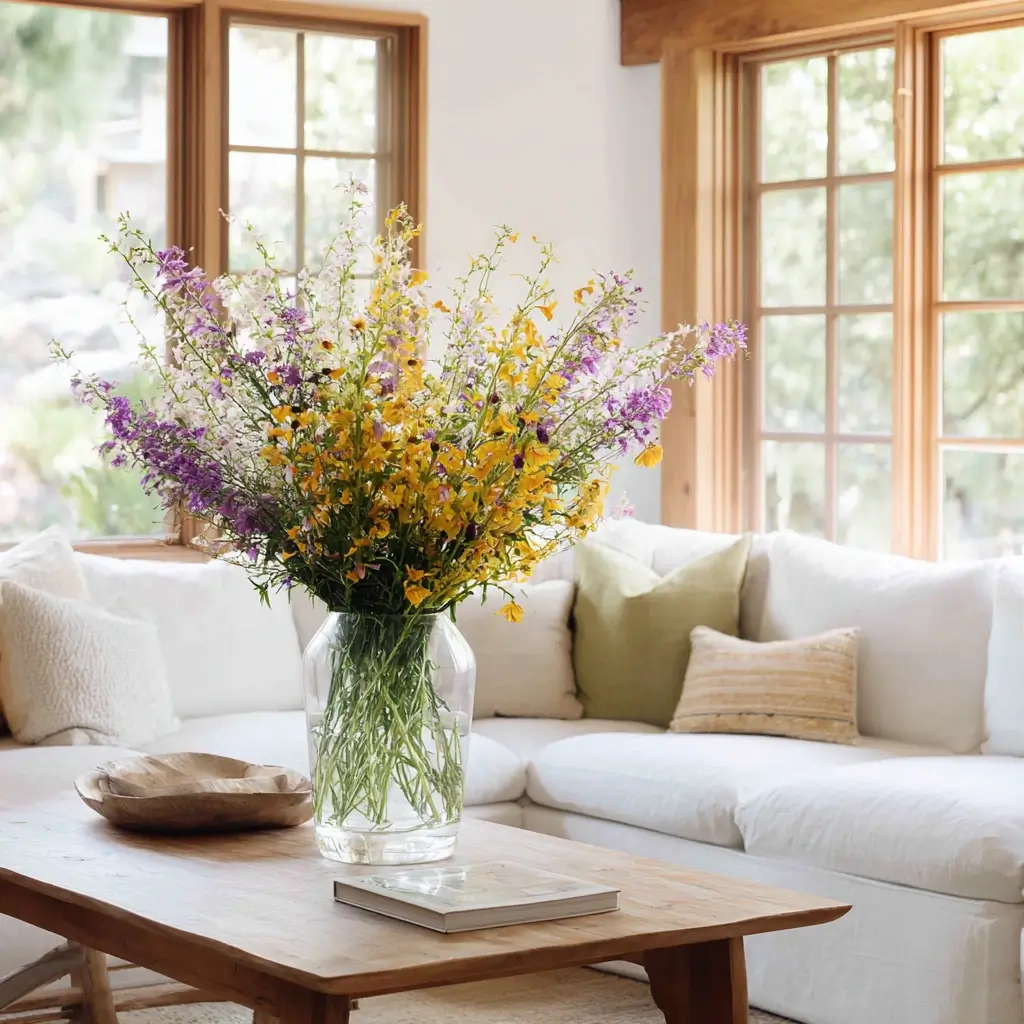
Nature, with its beauty and tranquility, provides an invaluable framework for improving mental health. Interacting with natural elements, especially flowers and plants, can invigorate our spirits and instill a sense of calm. Numerous studies have underscored the psychological benefits of spending time in green spaces, noting a reduction in stress levels and an uplift in mood when we embrace the outdoors. The vibrant colors of flowers and the serene environment of gardens create a healing atmosphere that contributes significantly to emotional stability.
Moreover, flowers possess unique qualities that contribute to emotional well-being. Their fragrances, colors, and textures can invoke a range of positive emotions, serving as a natural remedy against sadness or anxiety. The act of gardening, for instance, not only keeps one physically active but also cultivates a sense of accomplishment and purpose. The physical interaction with soil and plants provides a therapeutic outlet, reinforces the mind-body connection, and cultivates mindfulness.
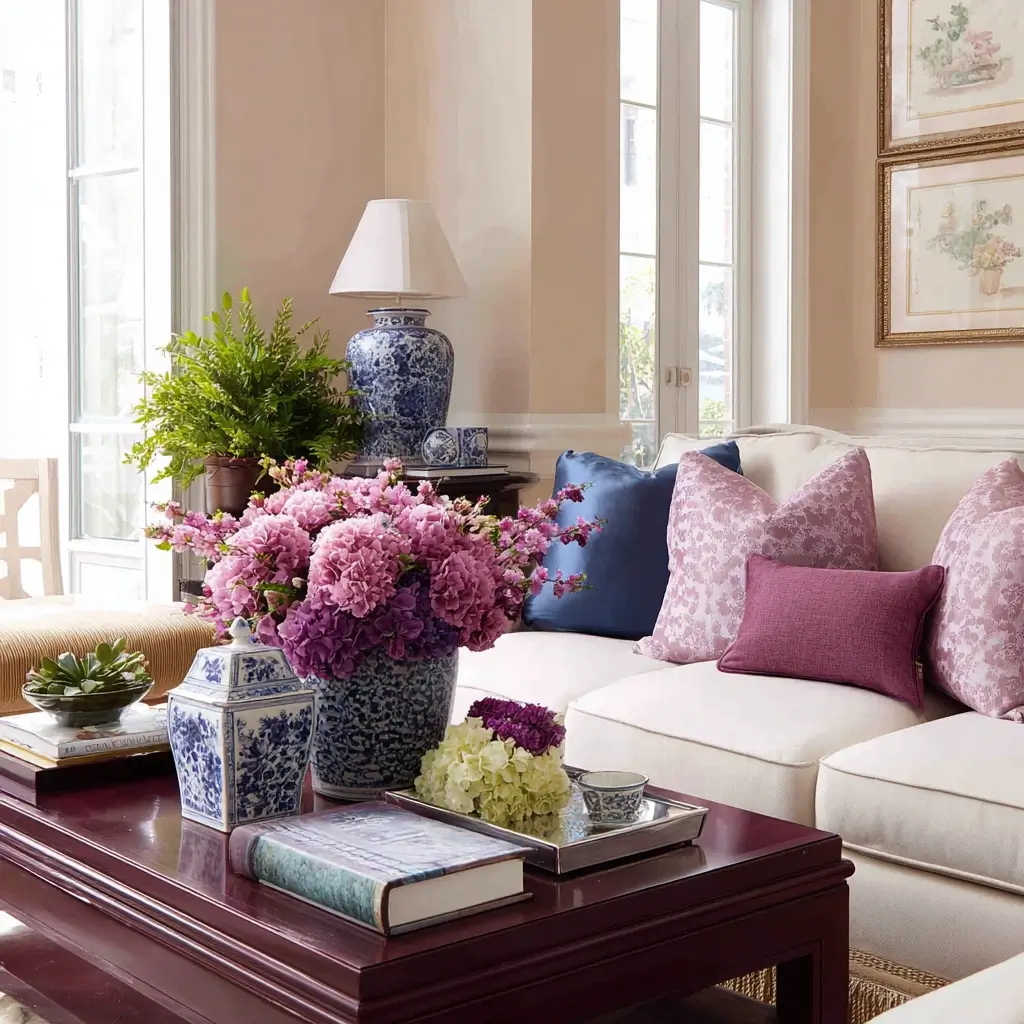
Ultimately, incorporating nature into our self-care routines can lead to profound improvements in our overall quality of life. By integrating the beauty of flowers and the stillness of nature into daily practices, individuals can nurture a balanced lifestyle, reinforcing the importance of self-care in achieving mental well-being.
How Flowers Bring Happiness and Elevate Mood
Flowers have a remarkable ability to evoke positive emotions and enhance mood, a phenomenon supported by various psychological studies. Research indicates that the presence of flowers can trigger a natural response in our brain, producing feelings of happiness and satisfaction. For instance, a study conducted by the University of Hawaii found that participants displayed signs of increased happiness after receiving flowers. This effect is often attributed to the aesthetic appeal, fragrance, and the colors of flowers, all of which play essential roles in how individuals perceive and react to them.
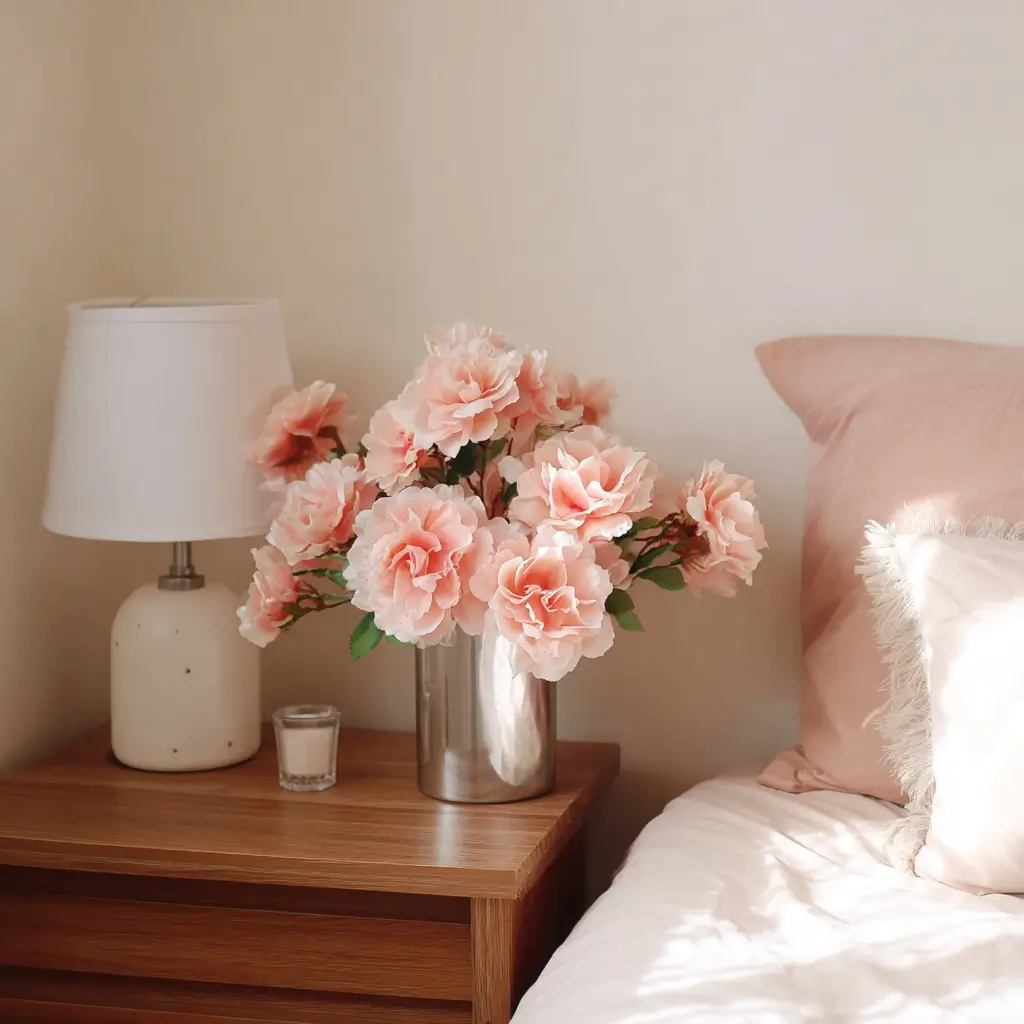
The concept of color psychology greatly contributes to the emotional impacts of flowers. Different colors can elicit various emotional responses; for example, yellow flowers are often associated with feelings of cheerfulness and joy, whereas blue flowers may promote calmness and tranquility. This intrinsic relationship between color and emotion helps explain why certain flowers are favored in specific contexts—such as weddings, which often feature bright and vibrant arrangements to evoke joy and celebration.
Additionally, the scent of flowers can significantly influence our psychological state. Aromatherapy has long recognized the effects of floral scents on well-being, providing opportunities for relaxation and upliftment. For instance, the fragrance of lavender is renowned for its calming properties, while citrus scents can be invigorating and energizing. Thus, incorporating flowers into everyday environments, such as homes or workplaces, can lead to enhanced emotional well-being.
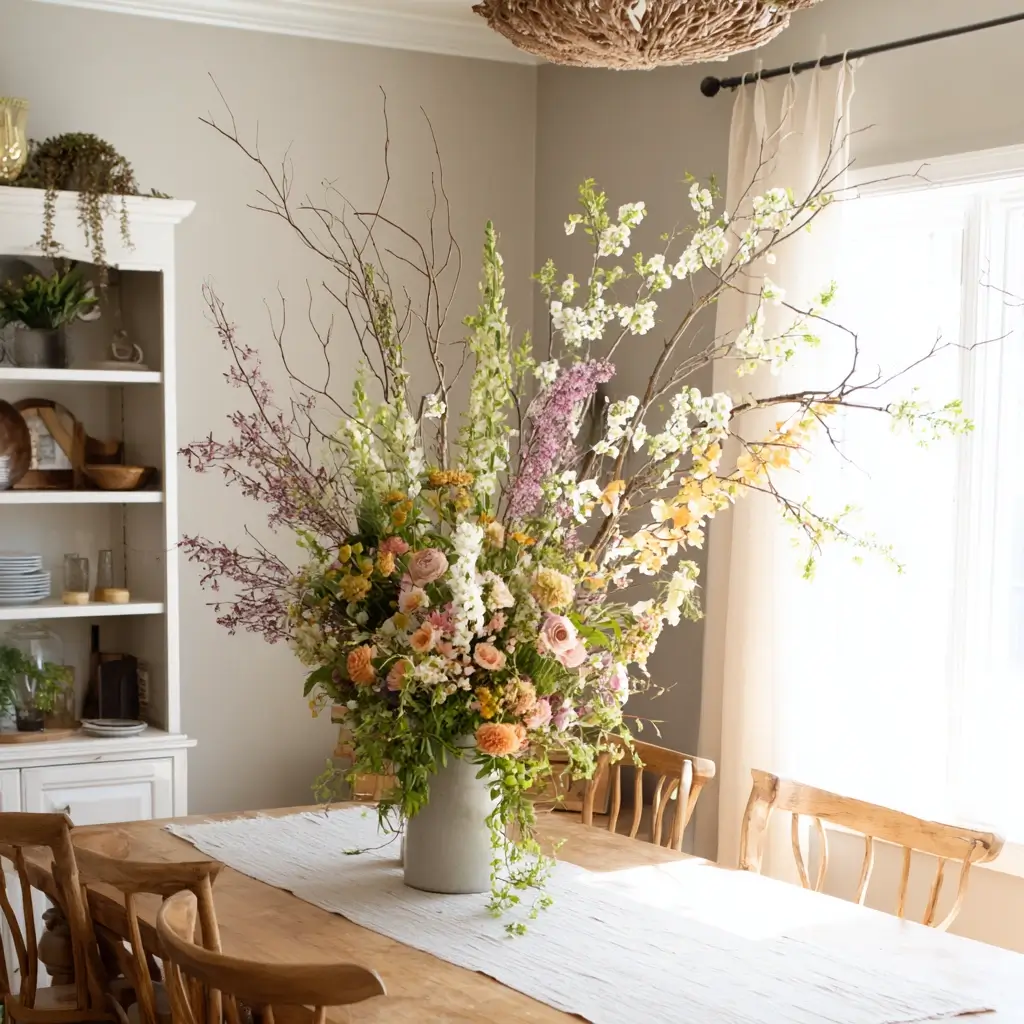
Various settings utilize flowers to promote happiness effectively—from hospitals using them to boost patient morale to offices implementing floral arrangements to enhance creativity and collaboration among employees. By simply surrounding ourselves with flowers, we can create a more positive ambiance that contributes to an improved mood. The psychological benefits of flowers demonstrate their unique position as a natural self-care tool.
Reducing Stress: The Soothing Effects of Plants and Flowers
The presence of plants and flowers in our living spaces presents numerous benefits, particularly when it comes to stress reduction. Studies indicate that interacting with greenery can lead to significant decreases in cortisol levels, the hormone associated with stress. When individuals are exposed to plants, even briefly, they often report feelings of relaxation and tranquility. This is partly attributed to the visual appeal and the vibrant colors synonymous with healthy foliage and blossoming flowers, which can evoke positive emotional responses.
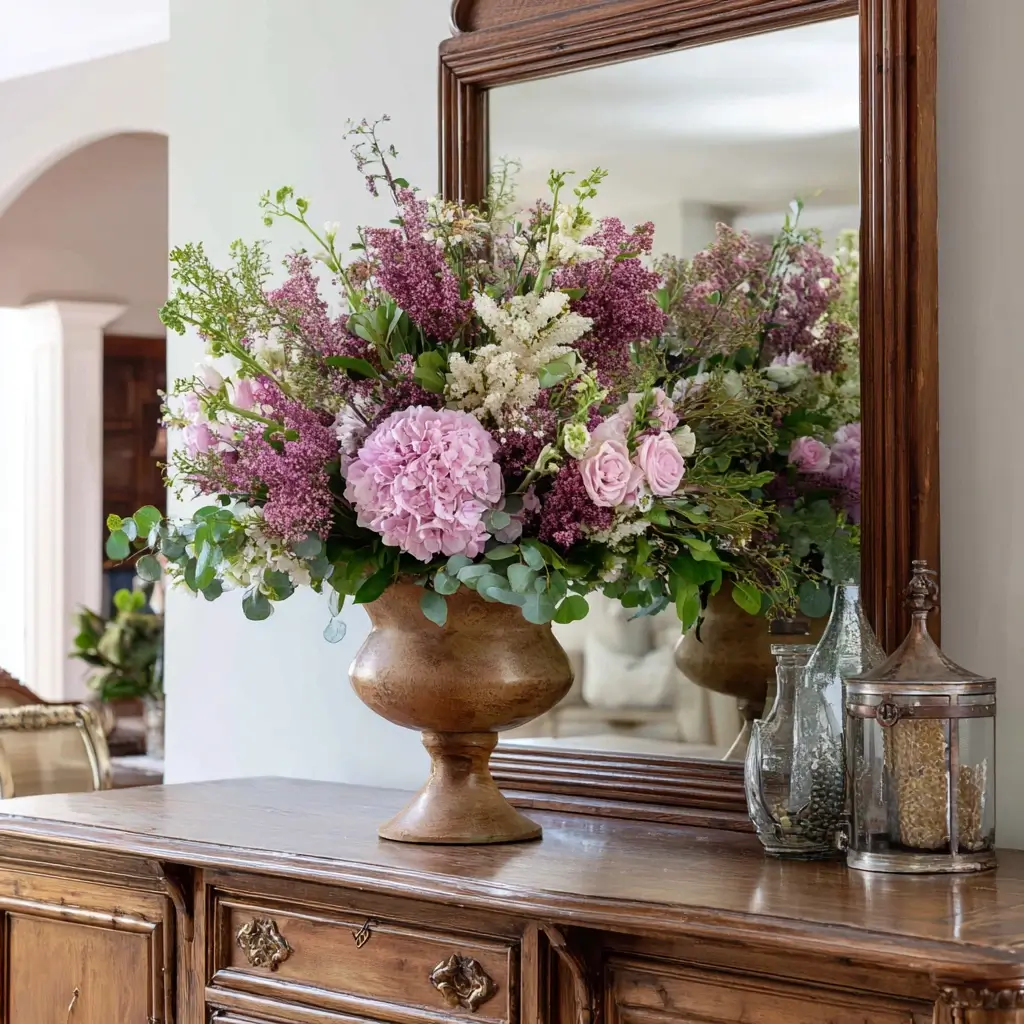
Incorporating plants into one’s living environment can transform a mundane space into a calming oasis. A strategic approach to this can profoundly enhance one’s quality of life by promoting relaxation and reducing daily stressors. For example, simple additions of potted plants on windowsills or on tables can create a refreshing atmosphere. Moreover, flowers such as lavender and chamomile are renowned for their calming properties and can significantly contribute to a serene ambiance.
To optimize the stress-relieving benefits of plants, consider arranging them in areas where you spend the most time, such as your living room or home office. Incorporating indoor plants like peace lilies or snake plants not only purifies the air but also imparts a sense of well-being. Additionally, creating a green corner with a variety of plants can provide a peaceful retreat within your home environment. Regular interaction with this green space, such as watering the plants or simply admiring their growth, can serve as a meditative practice, further enhancing relaxation.
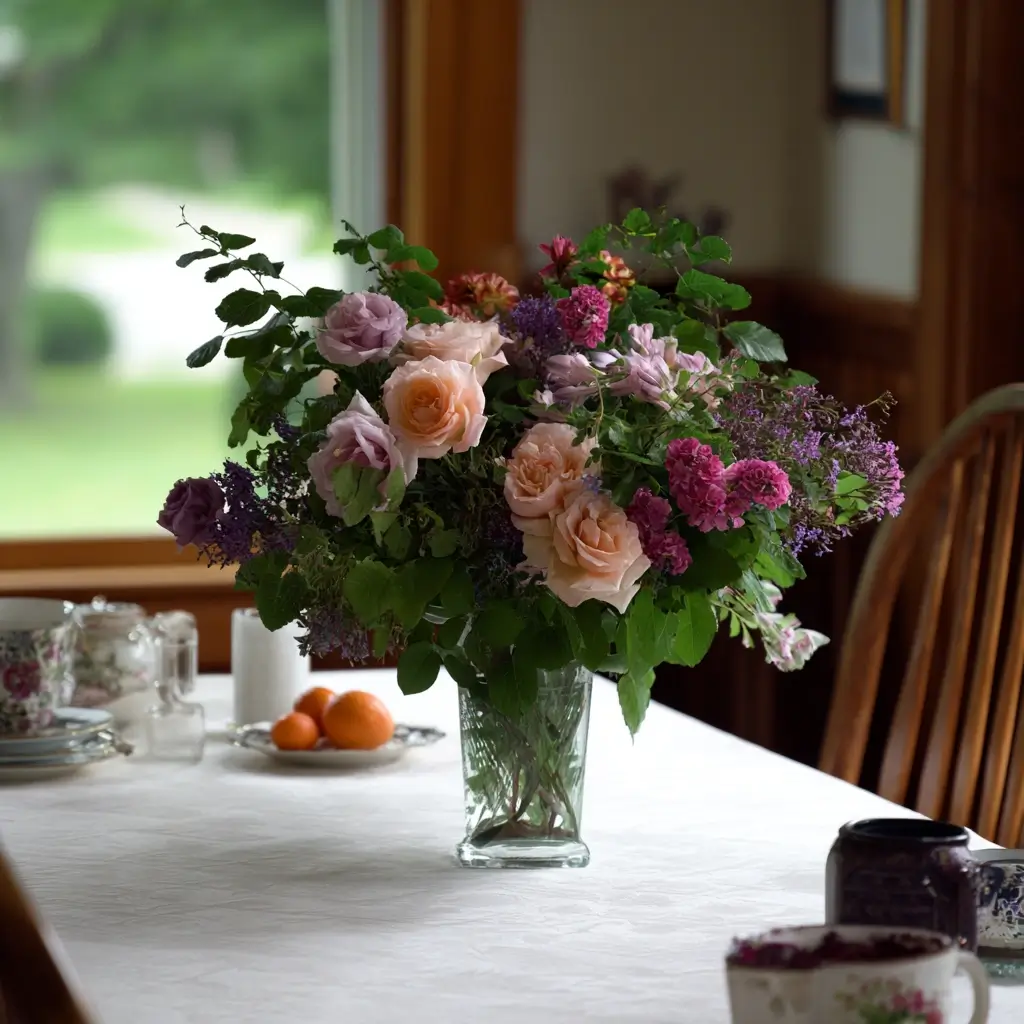
In conclusion, integrating plants and flowers into your living space is more than an aesthetic choice; it is a means to cultivate tranquility and well-being. Embracing nature within your home can significantly alleviate stress, inviting a sense of calm into your daily routine.
Plants and Flowers: Boosting Memory and Cognitive Function
In recent years, the significance of plants and flowers in our environments has gained much attention, particularly concerning their impact on cognitive function and memory. Research suggests that incorporating greenery into our daily spaces can enhance focus, boost productivity, and improve memory retention. Such findings have led to a growing interest in creating botanical environments, especially in areas designated for studying or working.
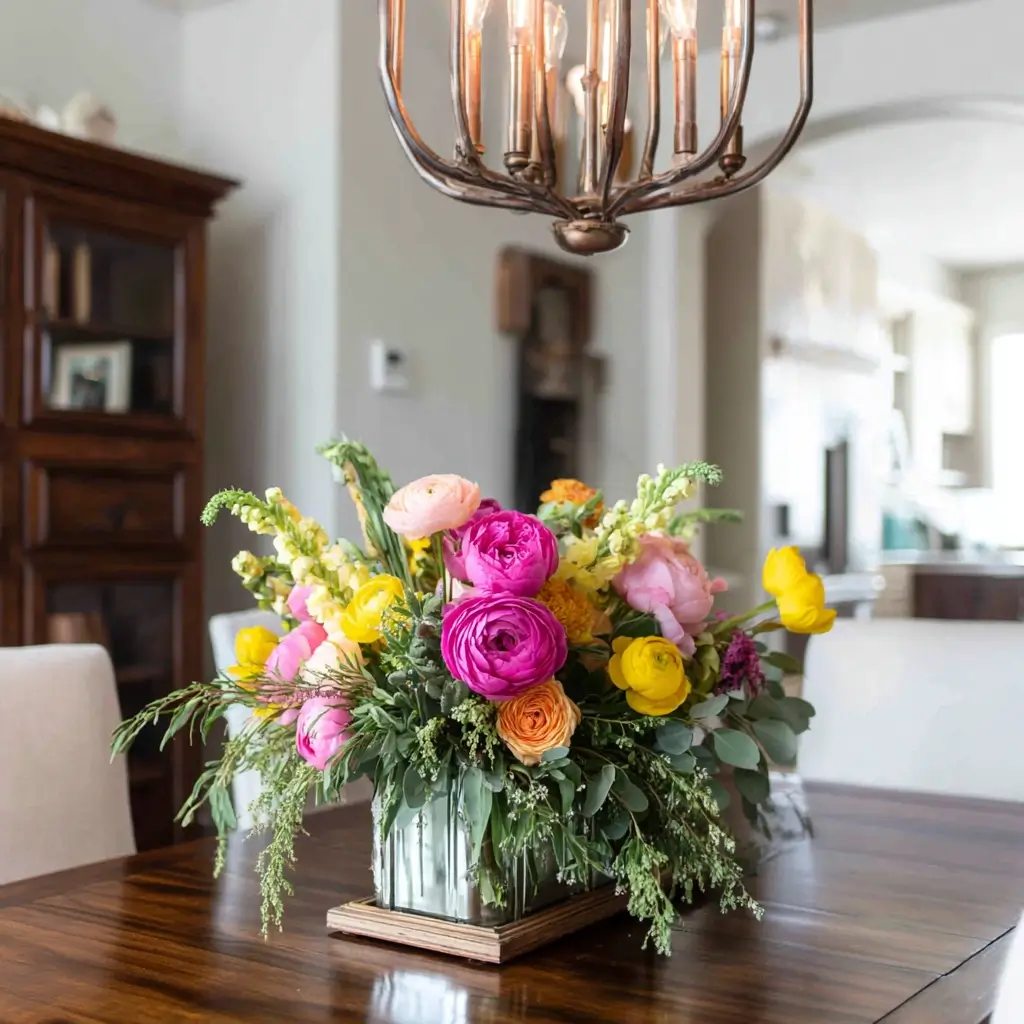
One study conducted by the University of Michigan demonstrated that individuals who spent time in nature or even viewed images of greenery exhibited markedly improved memory performance and attention span. Participants who engaged with natural environments showed a 20% increase in working memory, a cognitive function crucial for tasks such as problem-solving and learning.
The calming effects of plants and flowers also contribute to reduced levels of stress, which can significantly affect cognitive abilities. When stress levels are minimized, the brain functions more efficiently, leading to enhanced focus and better memory retention. Furthermore, the aesthetic and sensory elements of plants—their colors, shapes, and scents—stimulate the brain, promoting a more conducive environment for learning and creativity.
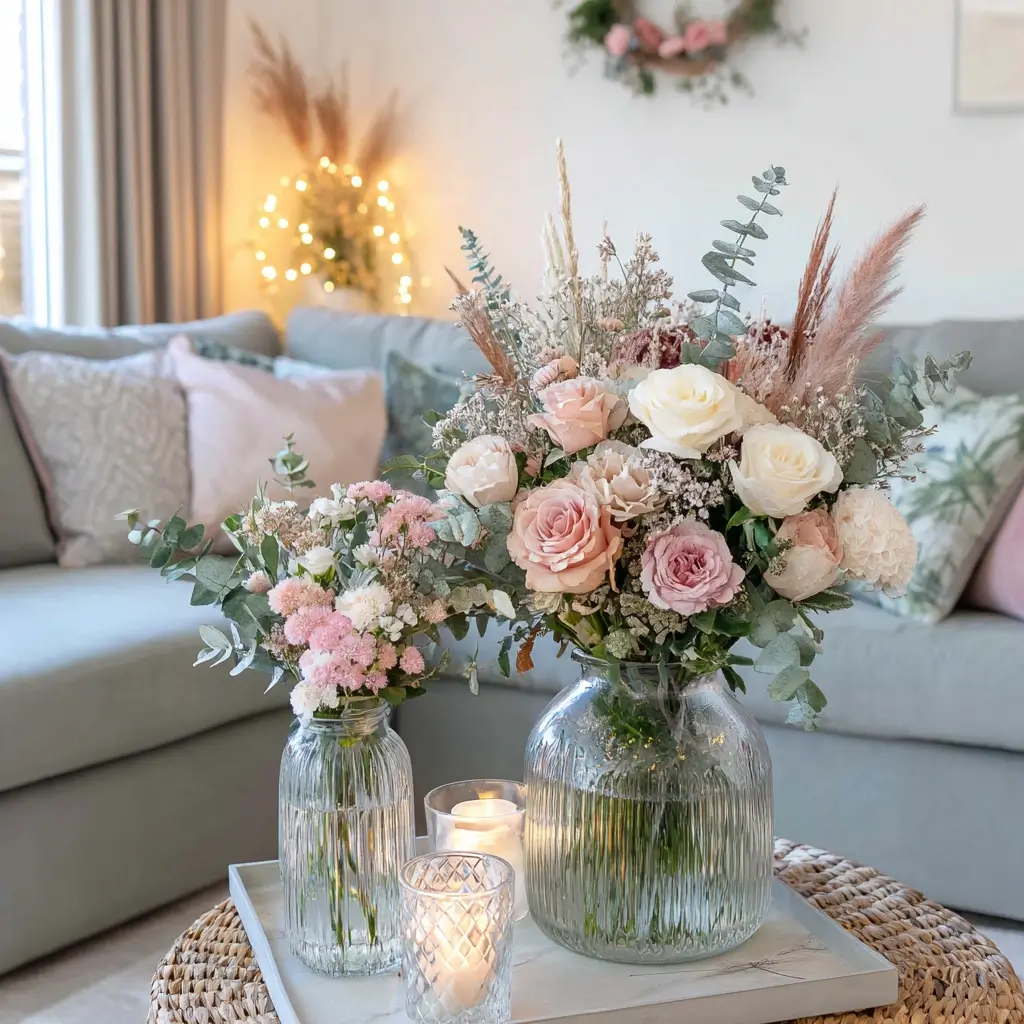
For those working or studying from home, strategically placing plants in your immediate vicinity can foster a sense of stability and tranquility, thereby creating an optimal atmosphere for concentration. Vertical gardens, succulent arrangements, or even simple flower pots can serve as effective cognitive enhancers, making a tangible difference in one’s mental clarity.
In conclusion, the inclusion of plants and flowers in our surroundings presents a straightforward and effective approach to enhancing cognitive function. Through promoting focus, improving memory retention, and fostering a serene environment, greenery emerges as a fundamental element in self-care and mental well-being.
Aerticle by Kamie the flortist of West Pam Beach https://flowerswestpalmbeach.com/